


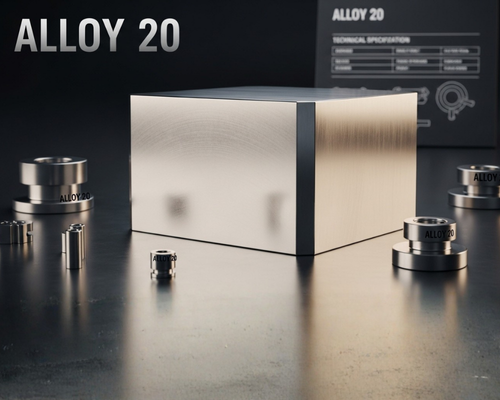
How Alloy 20 Improves Safety & Compliance in Process Industries
In today’s process industries, chemical, petrochemical, pharmaceutical, food processing, and oil & gas safety and compliance are non-negotiable. Every plant must operate with materials that prevent corrosion, ensure equipment longevity, and maintain purity in production. This is where Alloy 20 has become one of the most trusted materials worldwide.
What Makes Alloy 20 Unique?
Alloy 20 is a high-performance austenitic alloy designed specifically to resist strong acids, especially sulfuric acid. Its composition includes:
- Nickel (32–38%)
- Chromium (19–21%)
- Copper (3–4%)
- Molybdenum (2–3%)
- Iron (balance)
This unique blend gives Alloy 20 superior resistance against pitting, stress-corrosion cracking, crevice corrosion, and acidic attack—making it ideal for harsh industrial environments.
1. Superior Corrosion Resistance = Enhanced Safety
One of the biggest reasons Alloy 20 Improves Safety & Compliance in Process Industries is its exceptional corrosion resistance.
Corrosion is one of the biggest threats to industrial safety. Rusted pipelines, degraded tanks, or damaged reactors can lead to:
- Chemical leaks
- Equipment failure
- Contaminated products
- Fire and explosion hazards
Alloy 20 prevents these risks by maintaining structural integrity even when exposed to:
- Sulfuric acid
- Nitric acid
- Chloride environments
- Organic acids
- Salty or high-moisture atmospheres
This makes operations safer, more stable, and fully compliant with industrial safety standards.
2. Maintains Product Quality in Chemical & Pharma Industries
In the chemical and pharmaceutical sectors, even a small contamination can lead to rejected batches, major financial losses, and regulatory violations.
Alloy 20 helps maintain:
- Product purity
- Zero metallic contamination
- High hygiene standards
- Compliance with FDA and GMP guidelines
Its smooth surface and resistance to chemical reactions ensure the final product stays untouched by corrosion or impurities.
3. Withstands High Temperatures and Pressure
Industrial processes often operate under:
- High pressure
- Intense heat
- Continuous movement of corrosive fluids
Alloy 20 is engineered to remain stable in these conditions, reducing the chances of material failure. This stability plays a key role in:
- Pressure vessel safety
- Heat exchanger reliability
- Reactor longevity
- Pipeline durability
When industries adopt Alloy 20, they automatically improve their compliance with global safety codes such as:
- ASME
- ASTM
- API
4. Lower Maintenance Means Higher Operational Safety
Using Alloy 20 significantly reduces:
- Unexpected shutdowns
- Frequent repairs
- Equipment replacement
- Human errors during maintenance
Lower maintenance not only cuts operational costs but also improves workplace safety by reducing human involvement around hazardous equipment.
This is a key point in How Alloy 20 Improves Safety & Compliance in Process Industries, because fewer breakdowns mean fewer accidents and higher compliance.
5. Helps Industries Meet Global Compliance Standards
Industries today must meet strict guidelines, such as:
- ISO standards
- Environmental and waste-management regulations
- Workplace hazard and safety rules
- Material traceability requirements
Alloy 20 supports all of these due to its:
- Long service life
- Corrosion-resistant performance
- Safe operation capabilities
- Chemical compatibility
When companies choose Alloy 20, they automatically align with international safety norms, ensuring long-term credibility and certification approval.
6. Versatile Applications Across Process Industries
Because of its high performance, Alloy 20 is widely used in:
- Chemical processing plants
- Pharmaceuticals
- Food & beverage processing
- Petrochemicals
- Offshore and marine applications
- Pickling equipment
- Pumps, valves, and mixers
- Heat exchangers and storage tanks
Zeon Exports offers Alloy 20 pipes, sheets, fittings, and components that cater to all these applications, ensuring consistency and world-class quality.
Why Choose Zeon Exports for Alloy 20?
Zeon Exports is known for providing premium, globally-certified Alloy 20 products with:
- Verified chemical composition
- Strict quality control
- International packaging standards
- Fast delivery
- Custom sizes and mill test certificates
Their expertise ensures industries get materials that meet both safety and performance expectations.
Conclusion
Understanding how Alloy 20 Improves Safety & Compliance in Process Industries helps companies make informed decisions about material selection. Alloy 20’s resistance to corrosion, temperature stability, and chemical compatibility make it a long-term solution for industries that prioritize safety, purity, and reliability.
With trusted suppliers like Zeon Exports, industries can confidently upgrade their systems and achieve full compliance with global safety standards.
FAQs
1. What is Alloy 20 mainly used for?
Alloy 20 is used in chemical, food processing, pharmaceutical, and petrochemical industries for handling corrosive liquids, acids, and aggressive environments.
2. Is Alloy 20 better than stainless steel?
Alloy 20 provides much higher resistance to acids and corrosion compared to standard stainless steels like SS 304 or SS 316.
3. Can Alloy 20 handle sulfuric acid?
It is one of the best alloys for sulfuric acid applications, offering long service life and reduced corrosion.
4. Does Alloy 20 meet global safety standards?
It complies with ASME, ASTM, and ISO standards for industrial applications.
5. Why should companies prefer Alloy 20 for process safety?
Its corrosion resistance, durability, and purity maintenance make it a safer, more compliant material for demanding industrial environments.